
Residential Water Heater Installation & Repair

From a leaking tank to a complete replacement, our master plumbers deliver expert water heater service with upfront pricing — no surprises. Serving the south Denver metro since 2005.

WATER HEATER PROFESSIONALS

We Know Water Heaters

When Mark and Liz Friesen started Southside Plumbing in 2005, they made a promise: treat every customer like family, give honest advice, and always share the price upfront — whether you need a quick water heater tune-up or a full tank replacement at midnight. Twenty years later, that’s still how we operate.

Our team of 5 master plumbers and a journey worker know water heaters inside and out, and they live right here in the neighborhoods we serve. We’re not a national franchise — we’re the people you see at the grocery store. The ones who’ll make sure you never wake up to a cold shower again.
850+ Google Reviews

Serving South Metro Denver

Family Operated

Insured

WATER HEATER TYPES

Which Water Heater Is Right for Your Home?

Not all water heaters are the same. The right choice depends on your home’s venting configuration, space, hot water demand, and budget. Southside Plumbing installs Bradford White water heaters — an American-made brand trusted by professional plumbers for its quality, reliability, and industry-leading warranty support. Here’s an overview of the four main types of gas water heaters we install.
Atmospheric

(Classic)

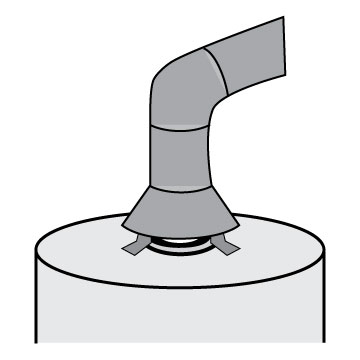
The traditional gas water heater. Uses natural draft — hot exhaust rises through a vertical metal flue and out your roof. The most affordable option and found in the majority of Colorado homes. Best for homes with an existing vertical vent through the roof.

Power Direct Vent

(2-Pipe)

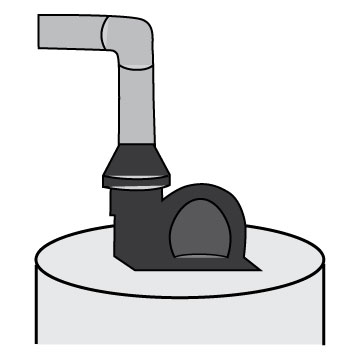
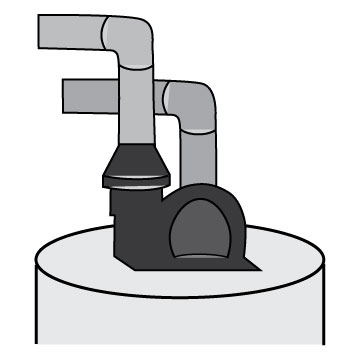
Uses a motorized blower and two PVC pipes — one draws combustion air from outside, the other exhausts it out. This sealed combustion design is more energy efficient and ideal for installations in confined spaces, since it doesn’t pull air from inside the home.

Power Vent

(1-Pipe)

Uses a motorized blower with a single PVC exhaust pipe that can vent horizontally through a sidewall — no roof penetration needed. Draws combustion air from the room. A great option when vertical venting isn’t available or practical.

Tankless

(On-Demand)

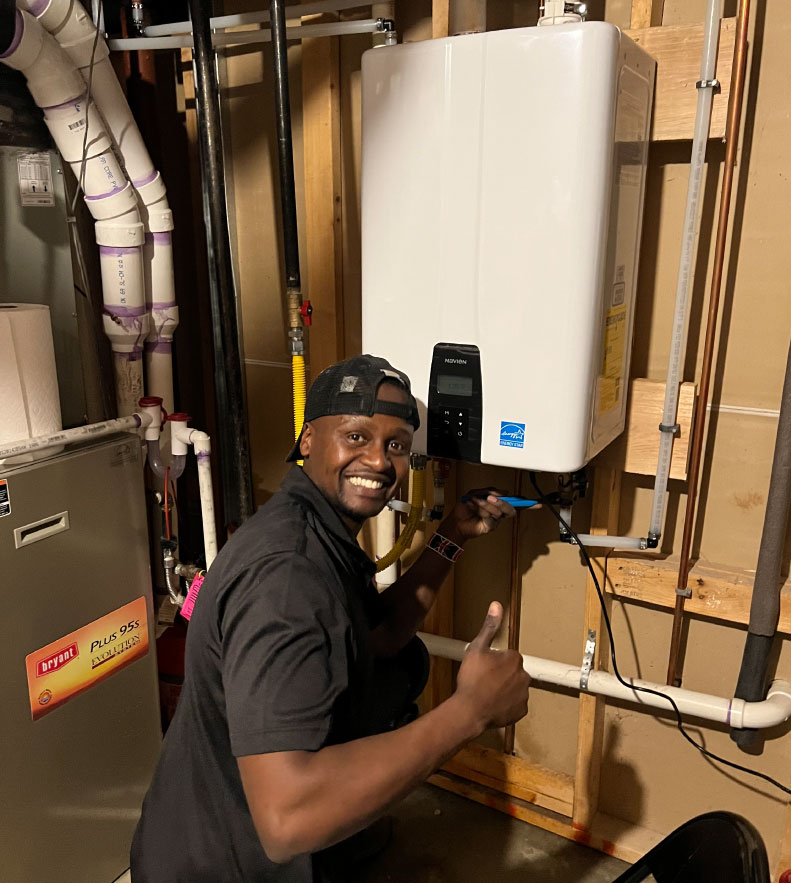
Heats water on demand — no storage tank. Provides continuous hot water and takes up far less space. Higher upfront cost, but offers long-term energy savings and a longer lifespan (20+ years). Requires adequate gas line sizing and proper venting.

HOW IT WORKS

Three Steps to Reliable Hot Water

We make the process simple, transparent, and stress-free.

Call or Schedule Online

Tell us what’s going on. We’ll ask a few quick questions and get you on the schedule — often the same day.

Get Your Upfront Price

A master plumber diagnoses the issue and gives you an exact price before any work begins. No hourly rates, no hidden fees.

Options if Needed

If the camera reveals a bigger issue, we walk you through your options with honest, upfront pricing. No pressure — ever.

Water Heater FAQs

A good rule of thumb is the 50% rule: if the repair cost exceeds 50% of a new water heater’s price, replacement is usually the smarter investment. You should also factor in the unit’s age — most tank water heaters last 8–12 years — and how frequently it has needed repairs. Our plumbers will give you an honest, no-pressure assessment of both options before any work begins.

Yes — your water heater’s anode rod is a sacrificial metal rod that corrodes so your tank doesn’t. Once it’s depleted, the tank itself starts to rust from the inside out, leading to leaks, discolored water, and early failure. Most rods need replacement every 3–5 years, and Colorado’s hard water can wear them out faster. We can inspect and swap it out during a maintenance visit before it becomes a costly problem.

Traditional tank water heaters typically last 8–12 years with proper maintenance. Tankless units can last 20 years or more. Factors like water quality, usage volume, and annual maintenance all affect lifespan. If your unit is over 10 years old and showing signs of trouble — rust-colored water, rumbling noises, or inconsistent heat — it’s worth having one of our master plumbers evaluate it.

Watch for inconsistent or insufficient hot water, rusty or discolored water, a rotten egg or metallic smell, rumbling or popping noises from the tank, visible corrosion or rust around the unit, water pooling near the base, or a significant spike in your energy bill. Any one of these is reason to call — caught early, many issues can be repaired rather than requiring a full replacement.

Tank water heaters have a lower upfront cost and are straightforward to maintain. Tankless units cost more to install but heat water on demand, use significantly less energy, and last nearly twice as long — making them the better long-term investment for many households. The right choice depends on your household size, hot water demand, and budget. We’ll walk you through both options honestly and help you decide what makes sense for your home.

Yes — flushing your tank water heater once a year removes sediment that builds up at the bottom of the tank, which can reduce efficiency, cause rumbling noises, and shorten the unit’s lifespan. Highlands Ranch has moderately hard water, which makes regular maintenance especially worthwhile. Our team can handle this as part of a plumbing maintenance visit.