

Boiler Repair & Replacement
by Colorado’s Own
When your boiler fails during a Colorado winter, you need a team that understands our altitude, our cold, and your heating system. Southside’s licensed plumbers diagnose boiler problems fast — and when it’s time for a new system, we install high-efficiency condensing units altitude-rated for our elevation.
THE BASICS
How a Boiler Heats Your Home
Unlike a forced-air furnace, a boiler heats water and distributes warmth through your home via radiant floor systems, baseboard radiators, or panel radiators — delivering quiet, even, draft-free heat that many Colorado homeowners prefer.
Hydronic Heating
When your thermostat calls for heat, the boiler’s burner fires and heats water in the primary heat exchanger. That hot water is pumped through your distribution system — radiant floor tubing, baseboard units, or panel radiators — transferring warmth evenly throughout your home before returning to be reheated.
Condensing Technology
High-efficiency condensing boilers recover heat from exhaust gases that a conventional boiler would vent away. By extracting that extra energy, condensing units achieve AFUE ratings of 95% or higher — meaning 95 cents of every gas dollar heats your home. The result is meaningfully lower energy bills, especially during Colorado’s long heating season.
Combi-Boiler: 2 Jobs, 1 Unit
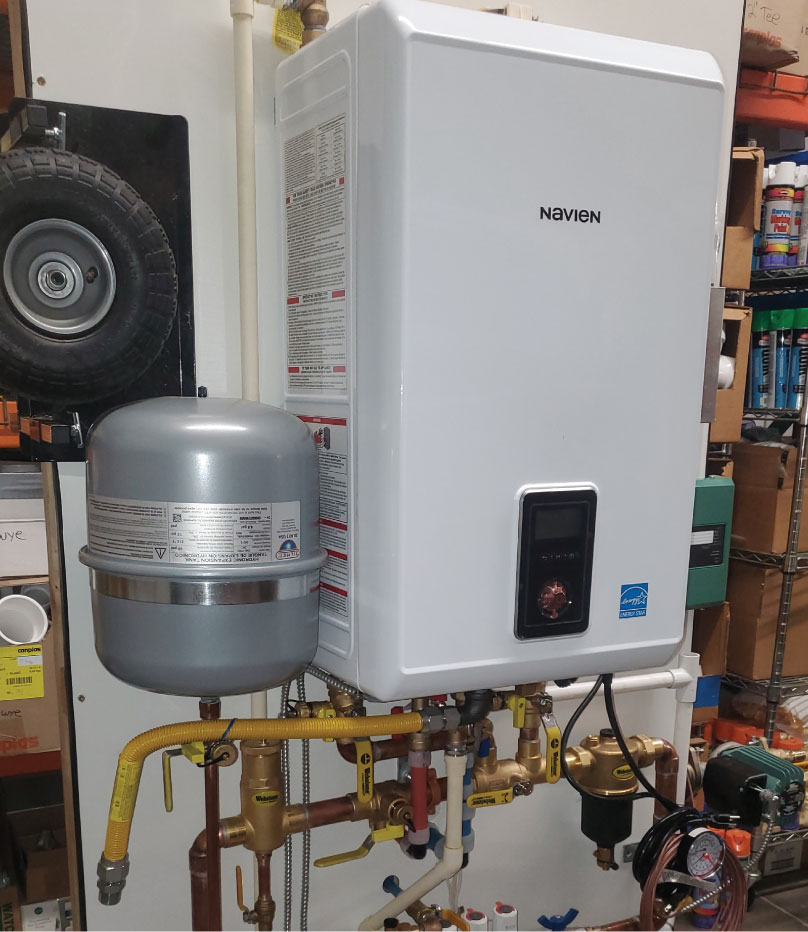
A condensing combi-boiler handles both home space heating and domestic hot water from a single wall-mounted unit. When a faucet or shower demands hot water, the system prioritizes that demand — delivering endless hot water on demand without a separate water heater. It’s one unit, one installation, one footprint.
Smart Zoning & Controls
Modern condensing boilers support multi-zone heating, built-in freeze protection, and Wi-Fi-enabled controls so you can monitor and adjust your system from anywhere. Integrated zone controllers for up to three zones can be built directly into the unit — fewer components, simpler installation, better reliability.
Boiler Repair
Something’s wrong — let’s find it and fix it. Our master plumbers diagnose boiler problems accurately the first time, so you’re not paying for guesswork or repeated service calls.
WE REPAIR ISSUES INCLUDING:
- No heat or inconsistent heat output
- Pilot light or electronic ignition failures
- Pressure that’s too high, too low, or fluctuating
- Water leaking around the boiler or connections
- Zone valve or circulator pump failure
- Thermocouple and gas valve problems
- Control board and sensor failures
- Banging, kettling, or gurgling noises
- Error codes and diagnostic alert lights
- Condensate drain blockages and frozen lines
Boiler Replacement
When repair isn’t the right answer, we’ll help you choose the right high-efficiency condensing system for your home — and install it correctly from day one, including proper altitude adjustment for our elevation.
WE RECOMMEND REPLACEMENT WHEN:
- Your boiler is 15 or more years old
- Repair costs approach 50% of a new unit’s price
- You’re experiencing frequent, recurring breakdowns
- Your system isn’t altitude-rated for Colorado
- Energy bills have been steadily and unexpectedly climbing
- Your boiler can no longer keep your home warm
- You want to consolidate to a 2-in-1 combi-boiler system
High-efficiency condensing combi-boilers we install are altitude-certified up to 10,100 feet, Energy Star rated, and may qualify for a 30% federal tax credit (up to $600). Financing is available.
95%+
AFUE Efficiency
10,000′
High Altitude Certified
2-in-1
Heat & Hot Water Combined
15:1
Modulating Turndown Ratio
KNOW THE WARNING SIGNS
Common Boiler Problems in Colorado Homes
Our high altitude, cold winters, and hard water create a unique set of challenges for residential boilers. Here’s what to watch for — and when to call us
No Heat or Complete System Failure
When your boiler shuts down entirely in a Colorado winter, it’s an emergency. Common causes include ignition failure, gas supply issues, a tripped safety limit switch, or a failed control board. Don’t wait — a home without heat in our climate can become a safety issue quickly.
Boiler Leaking Water
Water around your boiler can mean a failed pump seal, a cracked heat exchanger, a faulty pressure relief valve, or loose fittings. A leaking pressure relief valve can indicate dangerous overpressure — don’t ignore it. This needs prompt professional attention.
Frozen Condensate Line
High-efficiency condensing boilers produce condensate that must drain outside. In Colorado winters, that drain line can freeze solid and shut your boiler down completely. This is one of the most common mid-winter emergency calls we receive. We can thaw the line and re-route it to prevent recurrence.
Kettling — Banging or Rumbling Noises
That low rumble or banging when your boiler fires is caused by mineral scale buildup on the heat exchanger — a direct result of our hard Denver-metro water. Scale traps pockets of water that boil violently before the heat exchanger can handle them evenly. Left untreated, it accelerates heat exchanger failure and drives up energy bills.
Pressure Drops or Fluctuations
A boiler that repeatedly loses pressure often has a small water leak, a failing expansion tank, or a malfunctioning pressure relief valve. At our altitude, system pressure also needs to be calibrated correctly — too low and the system won’t heat; too high and safety valves open. Both need a professional look.
Uneven Heat Across Zones
Some rooms too hot while others stay cold? This typically points to a stuck zone valve, a failing circulator pump, air trapped in the system, or a thermostat issue in a specific zone. Hydronic systems need proper balancing to deliver consistent comfort — it’s not something to just live with.
Pilot or Ignition Won’t Stay Lit
Older boilers with pilot lights often have thermocouple failures that prevent the pilot from staying lit. Modern electronic ignition systems can fail due to a dirty flame sensor or faulty igniter. Either way, a boiler that won’t ignite reliably is one that will leave you without heat at the worst possible time.
Rising Energy Bills
If your gas bills are climbing without a change in usage, your boiler may be losing efficiency due to scale buildup, worn components, or age-related decline. An improperly altitude-adjusted boiler also wastes significant fuel through incomplete combustion — something many homeowners don’t realize is happening in the background.
Error Codes & Diagnostic Lights
Modern condensing boilers display error codes when something isn’t right. These codes can indicate anything from a blocked flue to a faulty sensor or inadequate water flow. If your boiler is showing a code, it’s telling you something — our master plumbers can decode it and address the root cause, not just reset the unit.
Boiler FAQ
Signs your boiler needs attention include unusual noises (banging, kettling, or gurgling), uneven heating across zones, an ignition that won’t stay lit, rising energy bills, pressure that repeatedly drops or spikes, or visible leaks. If your boiler is over 15 years old, or if repair estimates are approaching 50% of a new unit’s cost, replacement with a high-efficiency condensing unit is often the smarter investment. A Southside master plumber can give you a straight, no-pressure assessment.
At the elevations we serve — Highlands Ranch is at roughly 5,880 feet — there is meaningfully less oxygen available for combustion. A gas-fired boiler that isn’t altitude-adjusted will burn inefficiently, produce soot, waste fuel, and wear out faster. The high-efficiency condensing boilers we install are certified for operation up to 10,100 feet and are properly adjusted during installation to ensure clean, safe combustion at Colorado elevations. This is a detail that matters enormously, and one our master plumbers take seriously on every installation.At the elevations we serve — Highlands Ranch is at roughly 5,880 feet — there is meaningfully less oxygen available for combustion. A gas-fired boiler that isn’t altitude-adjusted will burn inefficiently, produce soot, waste fuel, and wear out faster. The high-efficiency condensing boilers we install are certified for operation up to 10,100 feet and are properly adjusted during installation to ensure clean, safe combustion at Colorado elevations. This is a detail that matters enormously, and one our master plumbers take seriously on every installation.At the elevations we serve — Highlands Ranch is at roughly 5,880 feet — there is meaningfully less oxygen available for combustion. A gas-fired boiler that isn’t altitude-adjusted will burn inefficiently, produce soot, waste fuel, and wear out faster. The high-efficiency condensing boilers we install are certified for operation up to 10,100 feet and are properly adjusted during installation to ensure clean, safe combustion at Colorado elevations. This is a detail that matters enormously, and one our master plumbers take seriously on every installation.At the elevations we serve — Highlands Ranch is at roughly 5,880 feet — there is meaningfully less oxygen available for combustion. A gas-fired boiler that isn’t altitude-adjusted will burn inefficiently, produce soot, waste fuel, and wear out faster. The high-efficiency condensing boilers we install are certified for operation up to 10,100 feet and are properly adjusted during installation to ensure clean, safe combustion at Colorado elevations. This is a detail that matters enormously, and one our master plumbers take seriously on every installation.
A condensing combi-boiler is a single wall-mounted unit that provides both whole-home hydronic heating and domestic hot water — replacing a conventional boiler and a separate water heater. It’s “condensing” because it recovers heat from exhaust gases, achieving AFUE efficiency ratings of 95% or higher. For homes with radiant floor or baseboard heating, a combi-boiler is worth evaluating seriously when replacing an aging system. It saves space, simplifies installation, and delivers endless hot water on demand. Our master plumbers can help you decide if it makes sense for your home’s specific setup.
A well-maintained boiler typically lasts 15–20 years. The biggest factors affecting lifespan in our area are hard water scale buildup on heat exchangers (very common throughout the Denver metro), corrosion, deferred maintenance, and altitude-related combustion problems. Annual tune-ups and water quality management are the two best investments you can make to maximize your system’s service life.
Yes. A boiler failure in a Colorado winter is an emergency, not a purchase you can defer. We offer financing so you can restore heat to your home without financial stress. New high-efficiency condensing boilers may also qualify for a 30% federal tax credit (up to $600), which helps offset the investment. Ask your master plumber about both financing and available rebates when they arrive.